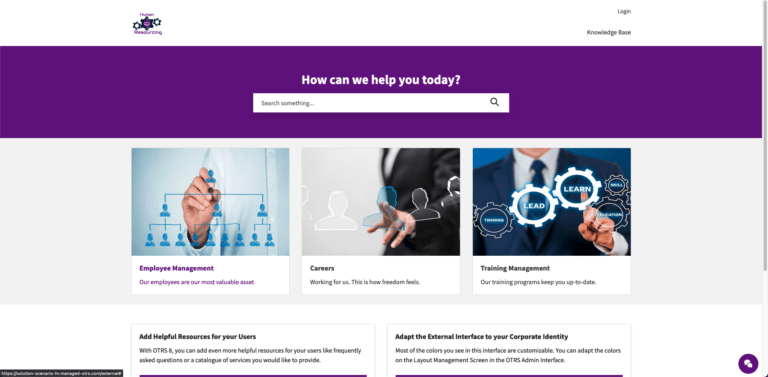
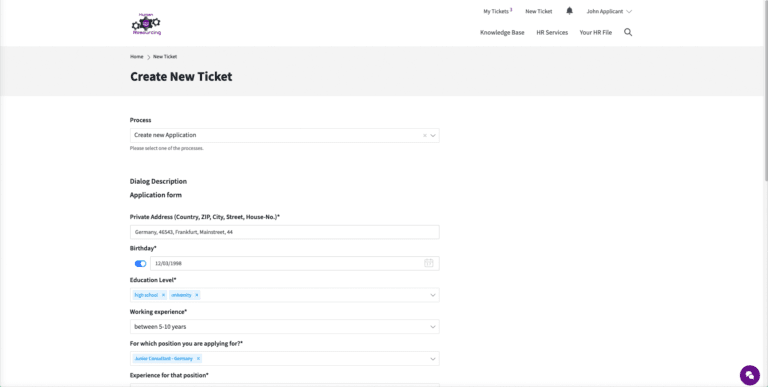
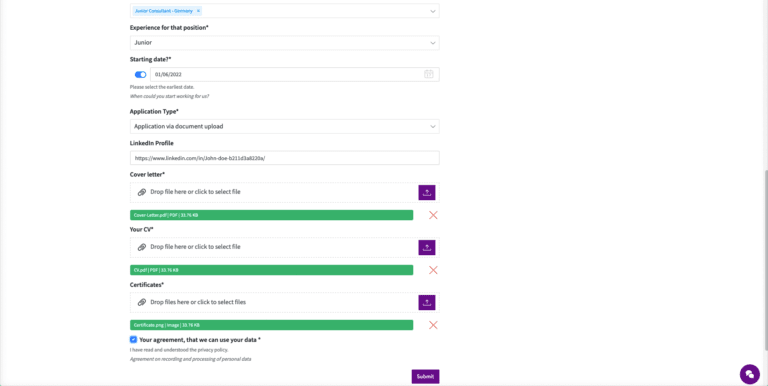
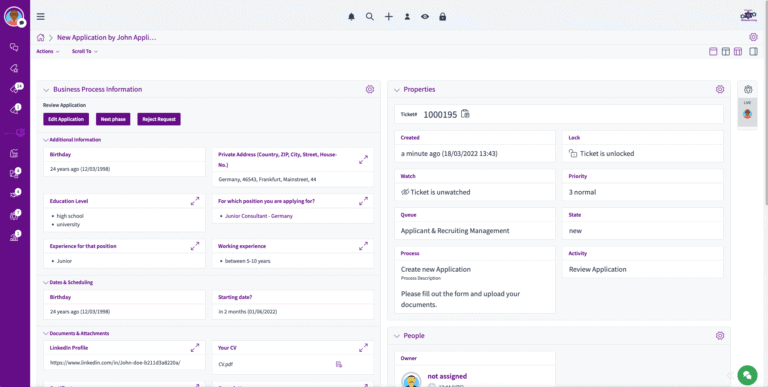
Benefit from automated HR processes for application management and training requests to support your onboarding tasks with our ready to run software solution.
Preconfigured OTRS for all HR Management Needs.
These are the Benefits:
Great employee experience
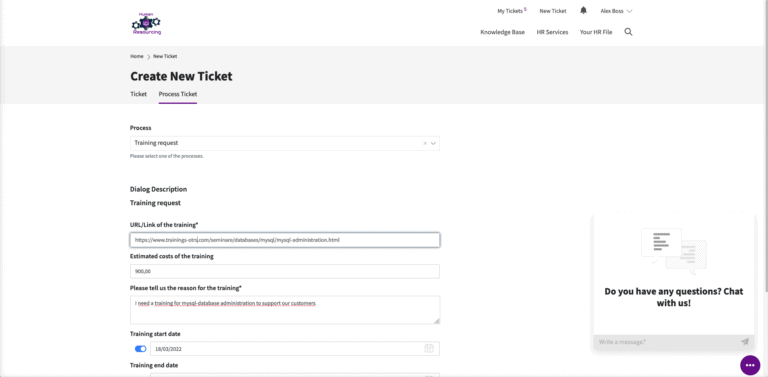
Provide the best employee experience via an external portal and easily accessible HR processes. Improve your applicants´ and employees´ HR experience by providing easy access to all important HR processes.
Save time through process automation
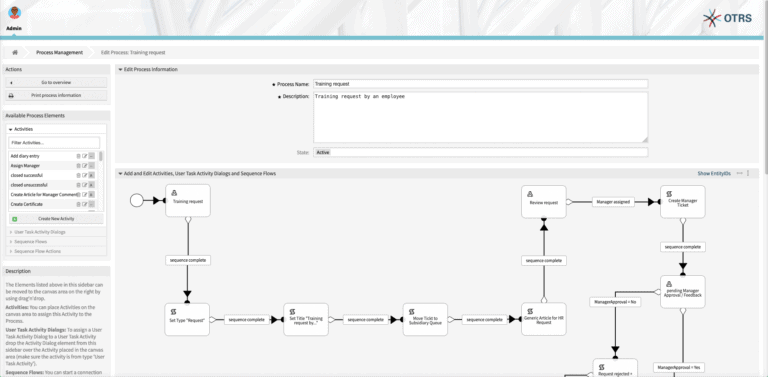
Benefit from digitized and structured workflows which direct you to the next step and make sure that no task is forgotten. Process-driven task management helps you to reduce your team's workload and eliminates repetitive to dos.
Improve your work quality
The solution guarantees you access to all data from anywhere and allows you to keep an overview of all running HR projects. Plus, OTRS features ensure, through mandatory fields and check boxes, that all important information is provided.
Get started immediately
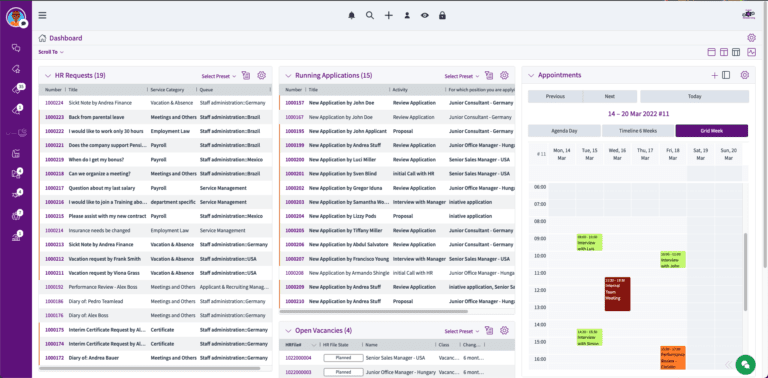
Your OTRS for HR Management comes with a preset dashboard and complete business processes. No need for a longer set-up - simply load up your employee data, and you are ready to go.
OTRS enhances our service quality internally and externally – we look forward to further exploiting the solution's potential and are excited about future developments.
Nico Wegner, Head of IT (CIO) & Chief Information Security Officer (CISO)
With OTRS, we have chosen a long-term solution, because the software grows with our requirements, it's flexible and adaptable.
Florian Hinse, graduate in business administration and assistant to the management.
OTRS is one of SES Techcom Services’ trusted tools for managing services with challenging operation models. Interfaces to other operation support systems, including SES systems, are an important success factor!
Georges Amirza, Service Manager, SES Techcom Services
With OTRS, we were able to create transparency where none existed before. This has significantly optimized our work. In addition, we can now access professional support when needed.
Michael Voigt, Chairman of the Board of VIOSYS AG
I previously used OTRS, and the difference between what it was then and what it is now, is huge. It's come a long way.
Sam Franklin, Facilities Manager
Previous
Next
Functionalities
Benefit from outstanding OTRS HR features which make it easy to get all tasks done right and on time.
Easy applicant management
OTRS simplifies the application process for everyone. Candidates are offered an easy way to apply for open positions via a web-based platform and integrate existing profiles from job boards. And the HR team can publish new job offers in just a few steps.
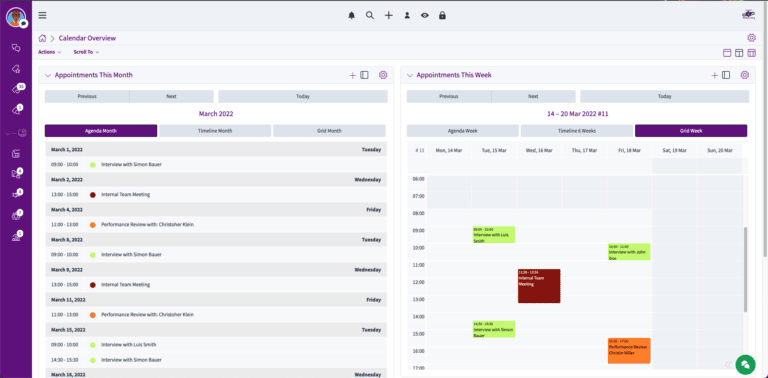
In addition, decisions regarding interview invitations and hiring can be made more quickly. In fact, OTRS’ HR management software solution supports you with a predefined dashboard that shows you the status of all applications through well-defined processes. These can, for example, send automated emails or delete unsuccessful applications after five months.
HR data management –
all data in one place
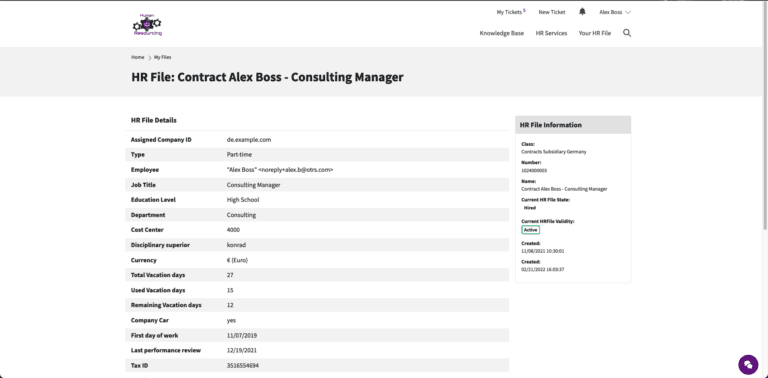
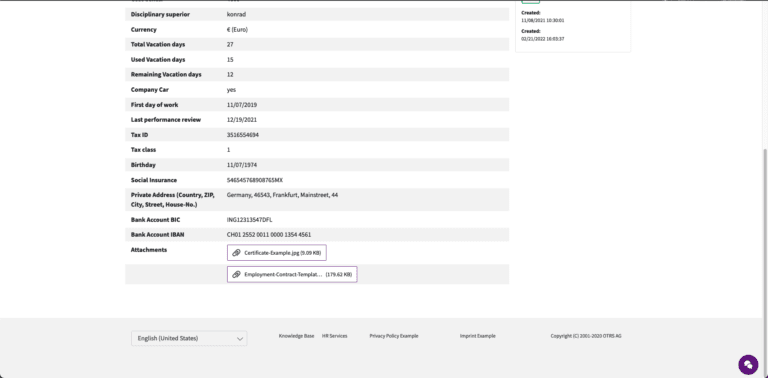
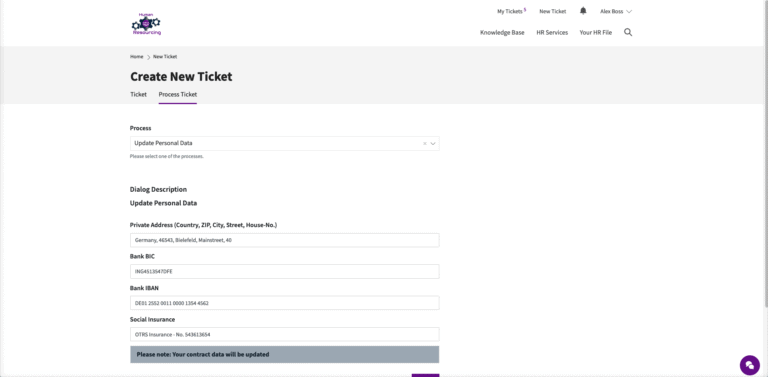
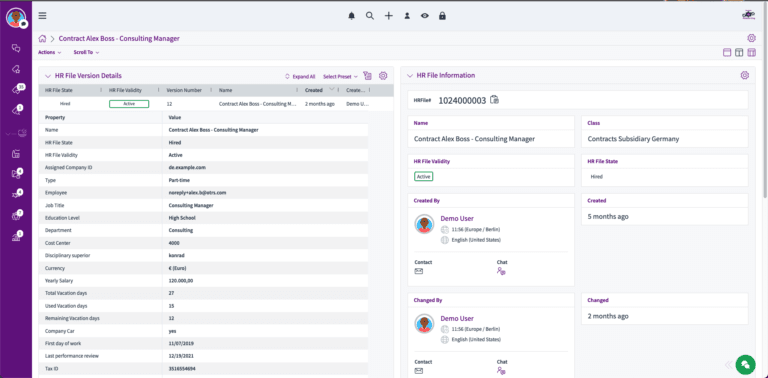
This preconfigured version of OTRS gives you several preset features, allowing you to easily manage, update, change, collect and interact with all data and incoming requests, such as sick notes, applications for leave, personal data updates and training requests. Plus, the interface allows for employee self-service, so they can change personal data easily by themselves.
Better employee onboarding & training request handling
Preconfigured processes for managing training requests and for onboarding new employees significantly reduce the workload for your HR team and make it easier for employees to progress in their careers.
HR reporting – gain insights on all relevant data
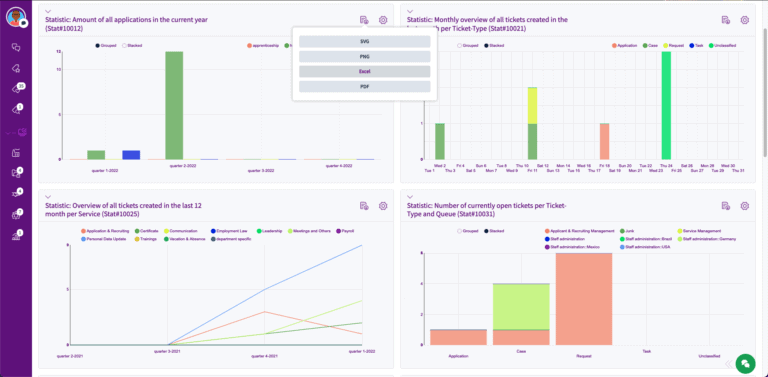
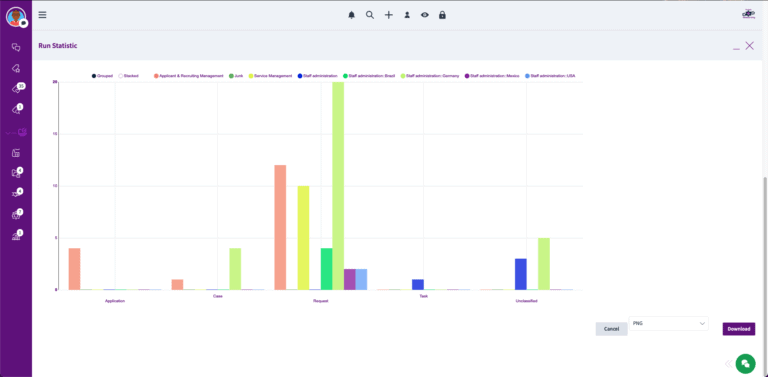
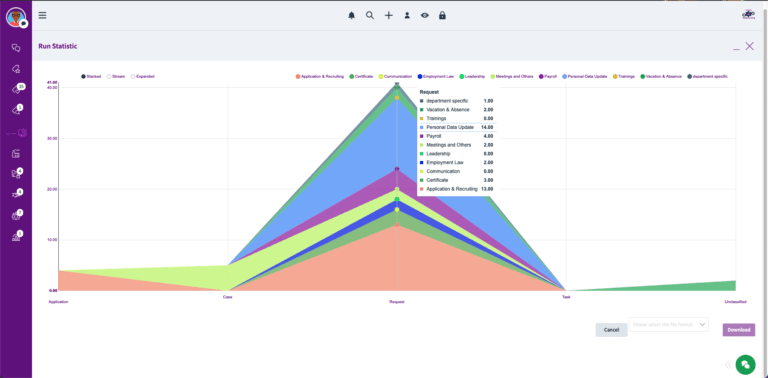
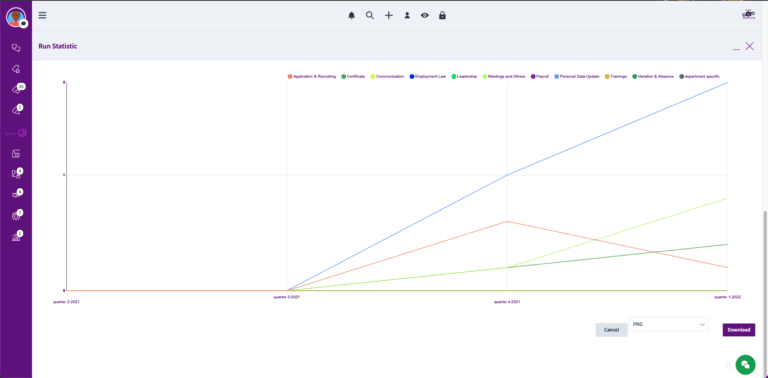
Improve HR management by analyzing all relevant data. Know exactly what your company’s status is and easily compile data about applications, absences, pay role requests and much more.
Our service packages of the OTRS HR Management solution.
SILVER
50 employees
9:00 AM - 5:00 PM weekday support
8 hours recovery time
50 GB storage
Certified data centers
10 concurrent agents
GOLD
200 employees
8:00 AM - 8:00 PM weekday support
8 hours recovery time
400 GB storage
Certified data centers
50 concurrent agents
TITANIUM
500 employees
8:00 AM - 8:00 PM weekday support
8 hours recovery time
Emergency hotline
1 TB storage
Certified data centers
100 concurrent agents
PLATINUM
500+ employees
8:00 AM - 8:00 PM weekday support
8 hours recovery time
Emergency hotline
2 TB storage
Certified data centers
200 concurrent agents
Connect OTRS with your existing solution
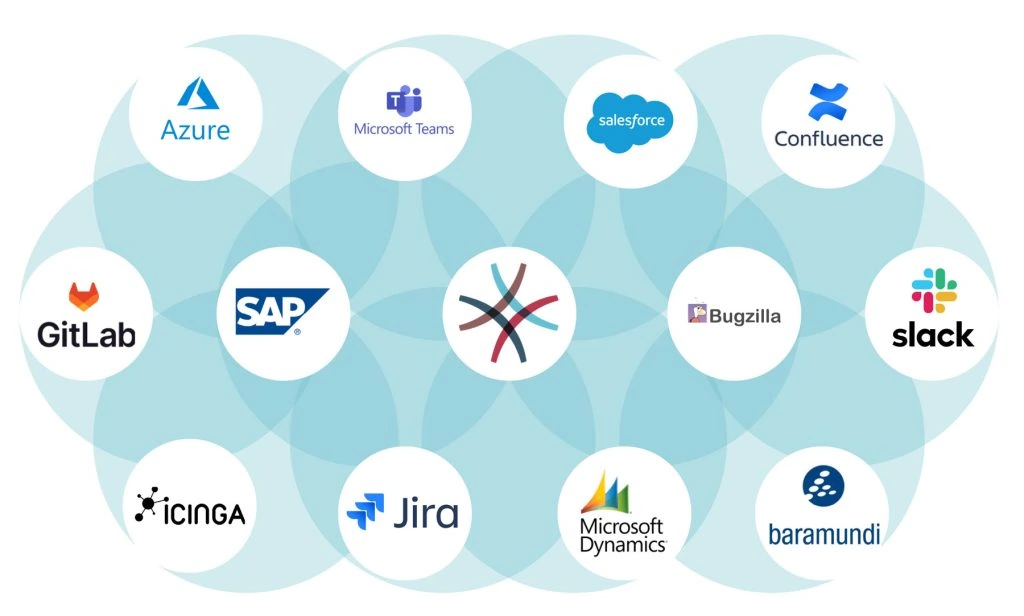
OTRS is one of the most widely used service management systems, and it can be seamlessly integrated with existing applications, such as SAP, Salesforce or HP Service Center. The generic interface and the XSLT mapping module of OTRS allow both the integration of existing systems and also the individual combination of several OTRS solutions. This significantly reduces the risks, effort, and costs involved in creating and maintaining conventional interfaces.
Do you want to try out OTRS for HR Management?
Just contact us,
and we'll set up a trial for you!